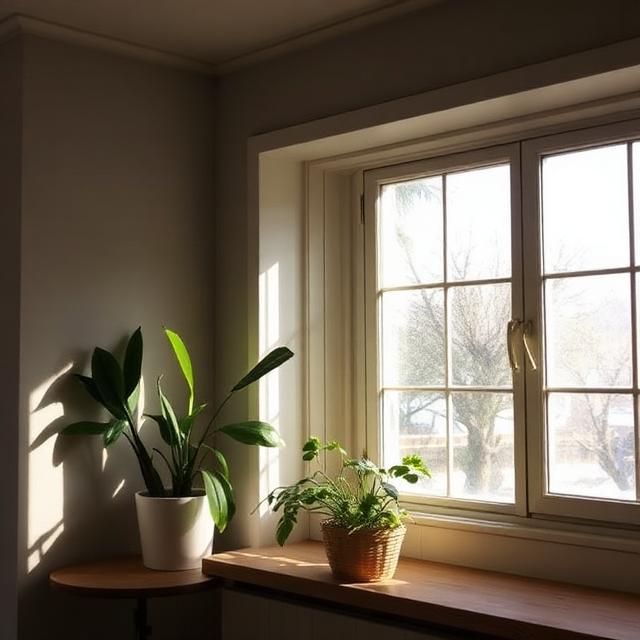

Natural light plays a crucial role in how a space looks, feels, and functions. Whether it’s a home, office, retail store, or commercial building, clean windows are essential for allowing sunlight to enter freely. However, many people underestimate how much dirty windows affect natural light levels and overall indoor comfort.
Over time, dust, pollution, water stains, bird droppings, and grime build up on glass surfaces. This buildup gradually blocks sunlight, changes the quality of light entering the space, and negatively impacts comfort, mood, energy efficiency, and even health. This article explains exactly why dirty windows reduce natural light and indoor comfort, how it affects daily life, and why regular professional cleaning makes a noticeable difference.
How Natural Light Affects Indoor Space
Natural light is more than just brightness. It influences:
-
Visual comfort
-
Indoor temperature balance
-
Mental well-being
-
Productivity and focus
-
Energy consumption
When sunlight enters through clean windows, it spreads evenly across a room, creating a pleasant and welcoming environment. When windows are dirty, that light becomes dull, scattered, and significantly reduced.
How Dirty Windows Block Natural Light
1. Dirt and Grime Create a Light Barrier
Dust, pollution residue, and mineral deposits form a thin but effective barrier on glass. Even a layer that seems minor to the eye can block a surprising amount of sunlight. Over time, this buildup becomes thicker, reducing light transmission even further.
2. Water Stains Scatter Sunlight
Hard water stains don’t just block light — they scatter it unevenly. This causes sunlight to lose clarity and brightness, making rooms appear dim even during daylight hours.
3. Pollution and Urban Dust Accumulation
In cities and high-traffic areas, airborne pollutants stick to windows faster. These fine particles dull the glass surface and prevent clear light penetration, especially in high-rise or roadside buildings.
4. Grease and Organic Residue
Windows near kitchens, outdoor cooking areas, or commercial spaces accumulate grease and organic residue. This film absorbs light rather than allowing it to pass through.
Why Reduced Natural Light Impacts Indoor Comfort
1. Rooms Feel Dark and Uninviting
Spaces with limited natural light feel smaller, colder, and less comfortable. Even well-designed interiors lose their appeal when sunlight is blocked by dirty glass.
2. Increased Dependence on Artificial Lighting
When natural light is reduced, occupants turn on lights earlier and keep them on longer. This increases electricity usage and energy costs, especially in offices and commercial spaces.
3. Uneven Light Distribution
Dirty windows cause light to enter unevenly, leading to bright spots near windows and darker corners deeper inside the room. This imbalance creates visual discomfort.
The Psychological Impact of Dirty Windows
Natural light has a strong connection to mental well-being. Reduced sunlight due to dirty windows can lead to:
-
Lower mood levels
-
Reduced motivation
-
Increased stress
-
Feelings of fatigue
-
Less connection to the outdoor environment
In homes, this affects daily comfort. In workplaces, it can reduce employee morale and productivity. Clean windows help maintain a brighter, more positive indoor atmosphere.
How Dirty Windows Affect Productivity and Focus
Many people search online wondering why their office or home workspace feels uncomfortable during the day. One overlooked reason is window cleanliness.
Dirty windows reduce daylight clarity, forcing the eyes to constantly adjust between artificial light and weak natural light. This can cause:
-
Eye strain
-
Headaches
-
Reduced concentration
-
Faster mental fatigue
Clean windows allow balanced daylight, creating a healthier visual environment that supports focus and efficiency.
Impact on Indoor Temperature and Energy Efficiency
1. Reduced Passive Heating
During cooler months, sunlight helps naturally warm indoor spaces. Dirty windows block this benefit, causing rooms to feel colder and increasing heating usage.
2. Increased Cooling Costs
In summer, uneven light penetration can create hot spots near windows while other areas remain dim. This imbalance strains cooling systems and reduces comfort.
3. Higher Energy Bills
When natural light and temperature balance are compromised, HVAC and lighting systems work harder. Clean windows help optimise energy efficiency throughout the year.
Health Concerns Linked to Dirty Windows
1. Mold and Moisture Build-Up
Grime traps moisture on glass surfaces and window frames, encouraging mold growth. This can affect indoor air quality and cause respiratory discomfort.
2. Allergens and Dust Accumulation
Dust stuck to windows eventually enters indoor air through ventilation and movement, contributing to allergies and irritation.
3. Reduced Exposure to Daylight
Sunlight helps regulate sleep cycles and vitamin D production. Dirty windows reduce daylight exposure, impacting overall health and wellness.
Why Window Cleanliness Matters More in Urban Areas
In cities, windows get dirty faster due to:
-
Traffic pollution
-
Construction dust
-
Sand and fine particles
-
Industrial emissions
Without regular cleaning, glass surfaces become permanently dull over time. This is why professional services such as external window washing in dubai are essential for maintaining light clarity in urban environments.
Residential Spaces: How Dirty Windows Affect Homes
In homes, dirty windows impact:
-
Living room brightness
-
Bedroom comfort
-
Kitchen hygiene perception
-
Children’s study focus
-
Overall interior appearance
Many homeowners notice their space feels gloomy even during sunny days, not realizing that unclean windows are the main cause.
Commercial Spaces: First Impressions and Comfort
For offices, retail stores, and buildings:
-
Customers associate dirty windows with poor maintenance
-
Employees experience reduced comfort and focus
-
Natural lighting designs lose effectiveness
-
Brand image suffers
Clean windows maintain a professional appearance while supporting comfort and productivity.
Why DIY Cleaning Often Falls Short
People often ask whether they can clean windows themselves to restore light. While basic cleaning helps, DIY methods often leave:
-
Streaks that still scatter light
-
Missed exterior grime on high windows
-
Residue from improper cleaning solutions
Professional cleaning ensures complete removal of contaminants that block sunlight, especially on exterior glass.
How Often Should Windows Be Cleaned for Maximum Light?
The ideal frequency depends on location and usage:
-
Homes: every 2–3 months
-
Offices: monthly or bi-monthly
-
Retail spaces: monthly
-
High-traffic urban buildings: more frequently
Regular cleaning prevents buildup that permanently reduces glass transparency.
The Role of Professional Window Cleaning
Professional window cleaning restores:
-
Full light transmission
-
Glass clarity
-
Visual comfort
-
Indoor brightness
It also protects windows from long-term damage caused by mineral deposits and pollutants. Many property owners include window care as part of a broader home maintenance service uae to ensure consistent upkeep.
Common Signs Your Windows Are Reducing Indoor Comfort
You may need window cleaning if:
-
Rooms feel darker during the day
-
Artificial lights are always on
-
Sunlight looks hazy or dull
-
Windows feel sticky or dusty
-
Interior spaces feel less inviting
These signs often go unnoticed until windows are professionally cleaned and the difference becomes obvious.
Long-Term Benefits of Clean Windows
-
Brighter, more comfortable interiors
-
Lower energy costs
-
Improved mental well-being
-
Better indoor air quality
-
Enhanced property appearance and value
Clean windows support both comfort and functionality, making them a simple but powerful improvement.
Looking for help beyond this guide? Happy Clients is a versatile home maintenance provider serving Dubai and Abu Dhabi. Call 800 4287 to book any service.
 Satisfaction
 Web-Based
 Urgent
 24/7
24/7
