.png)
Light and shadow are two of the most powerful tools in studio painting. They decide how a painting feels, how deep it looks, and how real or dramatic it appears. Even when the colors are simple, the right use of light and shadow can turn an ordinary painting into something eye-catching and emotional.
Many people think painting is only about colors and brushes, but in reality, light and shadow do most of the hard work. They shape objects, create mood, guide the viewer’s eye, and bring life to flat surfaces. In a studio setting, where the artist controls the environment, light and shadow become even more important.
This article explains the role of light and shadow in studio painting in a clear and simple way. Whether you are a beginner, an art lover, or someone curious about professional painting work, this guide will help you understand why light and shadow matter so much.
What Is Light in Studio Painting?
Light in studio painting is not just brightness. It is the source that shows form, texture, and detail. Light tells us where an object begins and where it ends. It shows smooth areas and rough areas. It also helps the viewer understand the position of objects in space.
In a studio, light can be controlled. Artists decide:
-
Where the light comes from
-
How strong the light is
-
Whether the light is soft or hard
-
Which areas stay bright and which stay dark
This control allows painters to create clear focus and strong visual balance.
What Is a Shadow, and Why Is It Important?
Shadow is the absence or blocking of light. Without shadow, everything looks flat. Shadows give depth and weight to objects. They help the brain understand shape and distance.
There are different types of shadows in studio painting:
-
Core shadow – the darkest part on the object itself
-
Cast shadow – the shadow an object throws on another surface
-
Soft shadow – smooth and light, often from soft lighting
-
Hard shadow – sharp and dark, usually from strong light
Good use of shadow makes a painting feel solid and real.
How Light and Shadow Work Together
Light and shadow are not separate things. They work as a team. Light shows form, and shadow supports it. When balanced correctly, they create harmony in a painting.
If there is too much light and no shadow, the painting looks washed out.
If there is too much shadow and no light, the painting feels heavy and unclear.
The goal is balance. Studio painters often spend more time adjusting light and shadow than choosing colors.
Why Studio Lighting Matters More Than Outdoor Lighting
Outdoor painting depends on natural light, which changes all the time. Studio painting is different. The artist controls everything.
Studio lighting allows painters to:
-
Keep light consistent
-
Study shadows carefully
-
Focus on small details
-
Work longer hours without light changes
This is why many realistic and professional paintings are created in studios.
Common Lighting Setups Used in Studio Painting
Single Light Source
This is the most common setup. One light creates strong contrast and clear shadows. It is great for learning form and depth.
Two Light Sources
One main light and one softer light reduce harsh shadows. This setup is useful for portraits and interior scenes.
Top Lighting
Light coming from above creates natural shadows under the nose, chin, and objects. It feels realistic and balanced.
Side Lighting
Light from the side creates drama and strong contrast. It highlights texture and shape very well.
The Role of Light Direction in Painting
The direction of light changes everything in a painting.
-
Front light flattens objects
-
Side light adds depth
-
Back light creates outlines and mood
Artists usually decide the light direction before they start painting. This helps keep shadows consistent and realistic.
How Light and Shadow Create Mood
Light and shadow are emotional tools.
-
Bright light with soft shadows feels calm and happy
-
Strong contrast feels dramatic and powerful
-
Dark shadows with small light areas feel mysterious
This is why studio painting is not only about skill but also about feeling.
A peaceful room scene uses gentle light.
A powerful portrait may use deep shadows and sharp highlights.
Light and Shadow in Portrait Painting
Portrait painting depends heavily on light and shadow. Faces are full of curves, and shadows help define them.
Light shows:
-
Cheekbones
-
Nose shape
-
Jawline
-
Eye depth
Shadows add realism and emotion. Without them, a face looks flat and lifeless.
Many professional portrait painters adjust studio lights carefully before touching the canvas.
How Shadows Improve Depth and Space
Depth makes a painting look three-dimensional. Shadows help create this illusion.
Objects with darker shadows appear closer.
Objects with lighter shadows appear farther away.
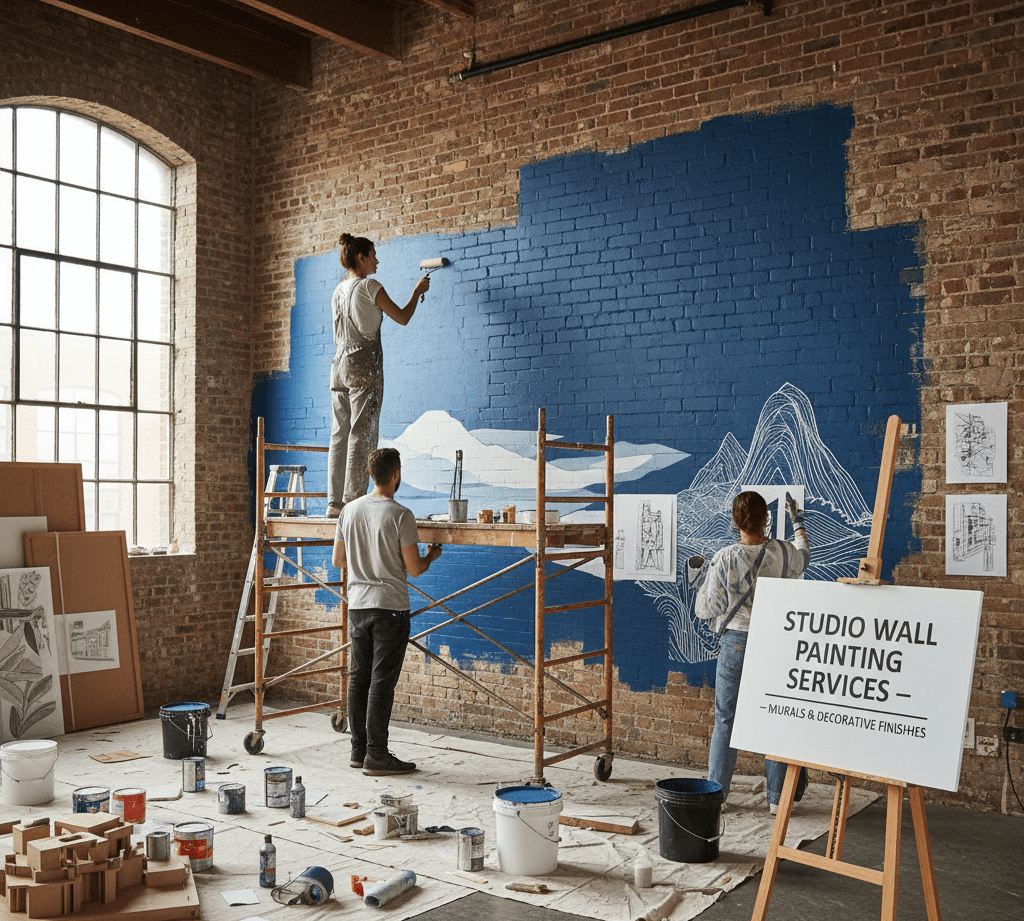
This technique is widely used in studio wall painting and interior art, where space and balance matter a lot.
Professional teams offering Abu Dhabi painting services often use these principles to plan color tones and lighting effects for indoor spaces.
Light, Shadow, and Color Relationship
Light affects color. The same color looks different in light and shadow.
For example:
-
White in shadow looks gray or blue
-
Red in shadow looks deeper and darker
-
Yellow in strong light looks brighter
Understanding this helps painters avoid flat colors and create realistic scenes.
Common Mistakes Beginners Make
Many beginners struggle with light and shadow. Some common mistakes include:
-
Making shadows too dark
-
Ignoring light direction
-
Using black paint for all shadows
-
Not blending shadow edges
Shadows are rarely pure black. They often contain color and softness.
How Studio Painters Study Light Before Painting
Professional painters do not start painting right away. They first study light.
They may:
-
Sketch light areas
-
Mark shadow zones
-
Adjust light angles
-
Test shadows on objects
This planning saves time and improves quality.
Light and Shadow in Interior and Wall Painting
Studio painting techniques are also used in interior wall painting. Light affects how walls look in a room.
Soft shadows make rooms feel larger.
Strong contrast adds style and depth.
That is why professional painting services plan lighting before choosing paint finishes.
The Connection Between Clean Air and Light Quality
Clean air plays a hidden role in how light behaves indoors. Dust and pollution can dull light and reduce clarity.
Proper duct cleaning for fresh air helps maintain clean indoor light, which improves how painted surfaces look over time.
Fresh air also protects paint quality by reducing moisture and dust buildup.
How Artists Train Their Eyes for Light and Shadow
Seeing light and shadow correctly takes practice.
Artists train by:
-
Painting simple objects
-
Using black and white studies
-
Observing light changes
-
Practicing shadow placement
Over time, the eye becomes better at noticing small light differences.
The Role of Shadows in Realistic Painting
Realistic painting depends more on shadows than details. Even simple shapes look real with correct shadows.
Many famous artworks use limited colors but strong light contrast.
This proves that light and shadow matter more than complex techniques.
Modern Studio Painting and Lighting Tools
Today, artists use modern tools like:
-
LED studio lights
-
Adjustable lamps
-
Softboxes
-
Reflectors
These tools help control shadows and highlights better than ever before.
Looking for help beyond this guide? Happy Clients is a trusted Dubai maintenance partner serving Dubai and Abu Dhabi. Call 800 4287 to book any service.
 Satisfaction
 Web-Based
 Urgent
 24/7
24/7
