.png)
Clean windows are often seen as a visual or aesthetic concern, but their impact goes far beyond appearance. The cleanliness of windows plays a direct role in indoor air quality, respiratory health, allergy prevention, and overall well-being. Dirty windows can trap dust, encourage mold growth, and allow allergens to circulate inside homes and workplaces.
This article explores the health benefits of clean windows, explaining how regular window cleaning reduces dust and allergens, prevents mold formation, and creates a healthier indoor environment for families, employees, and visitors.
Why Window Cleanliness Matters for Health
Windows are one of the main contact points between indoor and outdoor environments. When they are not cleaned regularly, they become collection surfaces for:
-
Dust particles
-
Pollen and outdoor allergens
-
Pollution residue
-
Moisture buildup
-
Mold spores
Over time, these contaminants do not stay confined to the glass. They spread into the air, settle on furniture, and circulate through ventilation systems, affecting indoor air quality and health.
How Dirty Windows Contribute to Indoor Dust
Dust Accumulation on Glass and Frames
Dust naturally settles on window glass, frames, and sills. When windows are dirty, these areas act as reservoirs, continuously releasing fine particles into the air whenever windows are opened, closed, or exposed to airflow.
Air Movement Spreads Dust Indoors
Even with windows closed, temperature changes and air circulation cause dust trapped on window surfaces to move indoors. This is especially noticeable in homes with fans, air conditioners, or HVAC systems.
Impact on Sensitive Individuals
People with asthma, allergies, or respiratory conditions are particularly affected by dust exposure. Dirty windows contribute to symptoms such as sneezing, coughing, watery eyes, and breathing discomfort.
Clean Windows and Allergy Reduction
How Allergens Enter Through Windows
Pollen, spores, and airborne allergens stick easily to glass and frames. When windows are not cleaned, these allergens accumulate and repeatedly enter indoor spaces.
Seasonal Allergy Triggers
During allergy seasons, dirty windows worsen symptoms by allowing pollen buildup. Clean windows reduce allergen retention and limit exposure inside the home or office.
Health Benefits for Children and Elderly
Children and elderly individuals are more sensitive to allergens. Maintaining clean windows significantly lowers indoor allergen levels, improving comfort and reducing health risks.
Mold Growth: A Hidden Health Hazard Around Windows
Why Windows Are High-Risk Areas for Mold
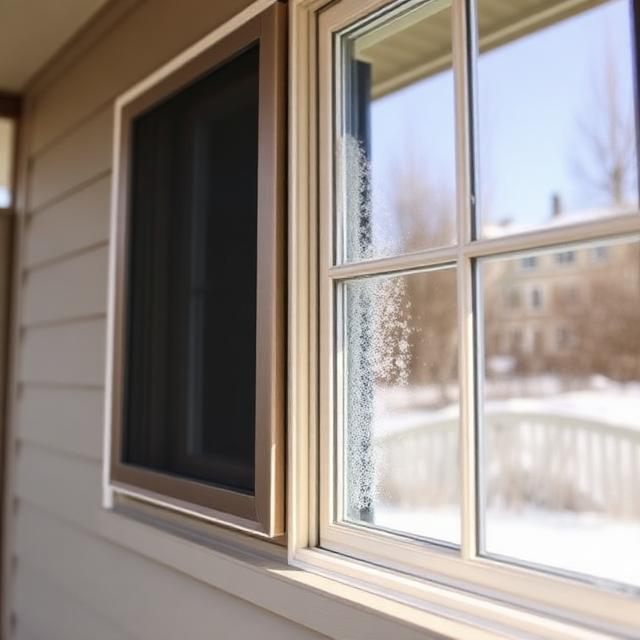
Windows are prone to condensation, especially in humid climates or during temperature changes. When dirt and moisture combine, they create ideal conditions for mold growth.
How Mold Affects Health
Mold spores can cause:
-
Respiratory irritation
-
Headaches
-
Skin rashes
-
Chronic coughing
-
Worsening asthma symptoms
Long-term exposure can lead to serious health complications, particularly in enclosed indoor environments.
Preventing Mold Through Window Cleaning
Regular cleaning removes organic material that mold feeds on and allows moisture to evaporate properly. Clean glass and frames reduce the risk of mold formation significantly.
Improved Indoor Air Quality with Clean Windows
Reduced Circulation of Pollutants
Dirty windows trap pollution particles that eventually enter indoor air. Clean windows reduce the transfer of these contaminants into living and working spaces.
Support for Ventilation
When windows are clean, opening them for fresh air does not introduce trapped dust and allergens, making natural ventilation healthier and more effective.
Better Breathing Comfort
People often notice improved breathing and less congestion after professional window cleaning, especially in spaces previously affected by heavy dust buildup.
Mental and Emotional Health Benefits
Natural Light and Well-Being
Clean windows allow more sunlight to enter, which supports:
-
Better mood
-
Reduced stress
-
Improved sleep cycles
-
Higher energy levels
Sunlight exposure helps regulate hormones that influence mental health and daily comfort.
Cleaner Spaces Feel Healthier
Psychologically, clean environments are associated with reduced anxiety and better focus. Clean windows contribute to a sense of freshness and hygiene.
How Dirty Windows Affect People with Respiratory Conditions
Individuals with asthma, bronchitis, or chronic allergies are more vulnerable to airborne irritants. Dirty windows increase the concentration of triggers that worsen these conditions.
Clean windows help:
-
Reduce asthma flare-ups
-
Minimize breathing discomfort
-
Lower dependency on air purifiers
-
Improve overall respiratory health
Health Risks in Commercial and Office Spaces
In offices and commercial buildings, dirty windows can affect dozens or even hundreds of people daily. Poor air quality and allergen exposure can lead to:
-
Increased sick days
-
Lower productivity
-
Eye strain and headaches
-
Reduced workplace comfort
Regular professional cleaning, such as a window washing service, helps maintain healthier working conditions.
Why Window Frames and Sills Matter Too
Health risks are not limited to the glass itself. Window frames and sills often collect more dirt, moisture, and mold than the glass surface.
Cleaning these areas:
-
Removes hidden allergens
-
Prevents mold spreading into walls
-
Protects surrounding surfaces
-
Improves indoor hygiene
Ignoring frames can undermine the benefits of clean glass.
The Connection Between Moisture Control and Health
Condensation and Mold
Condensation around windows is common, especially in humid regions. Dirt absorbs moisture, keeping surfaces damp for longer periods.
Clean Windows Dry Faster
Clean surfaces allow moisture to evaporate quickly, reducing the chance of mold and bacterial growth.
Long-Term Health Protection
Controlling moisture around windows protects both indoor air quality and structural health.
How Often Should Windows Be Cleaned for Health Reasons?
Health-focused cleaning frequency depends on:
-
Local climate
-
Pollution levels
-
Presence of allergy sufferers
-
Humidity levels
General recommendations:
-
Homes: every 2–3 months
-
Offices: monthly or bi-monthly
-
High-humidity areas: more frequently
Regular cleaning prevents buildup that becomes a health hazard over time.
DIY vs Professional Window Cleaning for Health
Limitations of DIY Cleaning
Home cleaning often removes surface dirt but leaves behind:
-
Residue that traps dust
-
Moisture in corners and frames
-
Streaks that attract more particles
Benefits of Professional Cleaning
Professional services remove contaminants thoroughly, including hard-to-reach areas where allergens and mold develop.
Clean Windows and Long-Term Health Protection
Maintaining clean windows contributes to:
-
Lower allergen exposure
-
Reduced mold risk
-
Healthier breathing conditions
-
Improved indoor comfort
-
Better overall quality of life
It is a preventative measure that supports health rather than reacting to problems later.
When Window Cleanliness Is Part of a Bigger Health Strategy
Window cleaning works best when combined with other property care services. In areas prone to moisture intrusion, pairing window maintenance with waterproofing service UAE helps protect indoor environments from dampness, mold, and long-term health risks.
Signs Your Windows May Be Affecting Health
You may need window cleaning if you notice:
-
Frequent sneezing indoors
-
Musty smells near windows
-
Visible condensation or mold spots
-
Increased dust despite cleaning
-
Breathing discomfort inside the space
These are early warning signs of poor window hygiene.
Looking for help beyond this guide? Happy Clients is a established Dubai maintenance company serving Dubai and Abu Dhabi. Call 800 4287 to book any service.
 Satisfaction
 Web-Based
 Urgent
 24/7
24/7
